
The Holiday Reality Check: When Your Visit Home Changes Everything

The drive to your parents' house feels familiar, same streets you've traveled for decades, same anticipation building as you approach the childhood home. It's been three or four months since your last visit. Your siblings, who see Mom and Dad more regularly, have mentioned occasional "senior moments," but nothing seemed urgent. Just normal aging, right?
Then you turn onto their street, and the first sign appears: Dad's beloved Santa sleigh, the one that's graced the lawn every December for thirty years, is nowhere to be seen. At the front door, another absence, your sister's handmade wreath, a family tradition since her high school days, missing from its usual spot.
You push aside a flutter of concern. It's the holidays, time to relax, enjoy dinner, reconnect.
But crossing that threshold, something feels different. The dining room table, Mom's pride, usually dressed to perfection by now, sits bare. Dad rushes past, looking exhausted. Mom sits quietly at the empty table, seemingly unaware you've arrived.
Dad's apology tumbles out: Mom hasn't been herself lately, and he's doing his best to keep everything together. When you offer to help, he gratefully points you toward the kitchen. "Check the turkey?"
The kitchen tells its own story. No aromatic herbs filling the air. No warmth from the oven. Inside sits an uncooked turkey in a cold oven that was never turned on.
Your world shifts. These parents, your rocks, your constants, are struggling with basic daily life.
As siblings arrive and gather, difficult truths emerge. This isn't just forgetfulness. Mom needs real help. The family's been in collective denial, hoping things would improve on their own.
An emergency family meeting follows. The conclusion is clear but overwhelming: Mom needs professional support, and Dad can't shoulder caregiving alone anymore.
But where do you even begin?
We call this "The Holiday Lens", that powerful moment when distance dissolves and you see your parents' reality with startling clarity. For many families, this becomes the catalyst for life-changing decisions about senior care and support.
If this scene feels familiar, you might be wondering exactly what to look for without making your parents feel judged or uncomfortable. You don't have to rely on guesswork or memory during your visit.
Download our free 5-Minute "Peace of Mind" Walkthrough
It’s a clear, comprehensive checklist I’ve prepared to help you clear your mind and plan your next step with care.
Keep it on your phone as a quiet reference guide while you navigate the holidays.

The Universal Truth: We All Live in Denial About Aging
Why Your Parents Don't See What You See
You scroll through social media and spot an ad featuring fit seniors conquering a mountain trail. "I could do that," you think confidently, though your hiking boots haven't left the closet since your thirties. Your husband announces he wears a 42 suit. The tailor gently suggests trying a 46.
Sound familiar? We all carry this self-perception gap.
Research shows most adults feel 10 to 20 years younger than their chronological age. This psychological phenomenon intensifies with age. That vibrant internal self-image becomes our reality, even when physical capabilities tell a different story.
Now imagine your aging parents. In their minds, they're the same capable, independent people who raised you. When you notice them struggling, confrontation rarely works, from their perspective, they're managing just fine. They genuinely don't see what you see.
A Better Approach: The Quiet Assessment
Instead of confrontations that damage trust, become a careful observer. During your next visit, conduct a gentle evaluation focusing on three critical areas:
Activities of Daily Living (ADL) Warning Signs
Personal Care:
- Wearing the same clothes multiple days or inappropriate clothing for weather
- Noticeable body odor or unkempt appearance (when previously well-groomed)
- Unexplained weight loss from forgotten meals or cooking difficulties
- Expired food accumulating; empty pantries despite claimed shopping trips
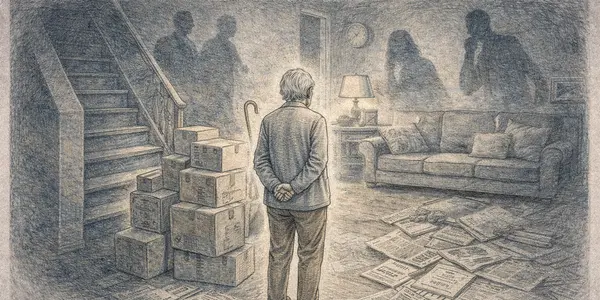
- Unopened mail piling up; unpaid bills despite adequate finances
- Medications in wrong pill organizer slots or expired prescriptions
Household Management:
- Laundry accumulating in unusual places
- Dishes unwashed for days
- Previously spotless homes now cluttered or dirty
- Difficulty with familiar technology (TV remote, microwave, phone)
Home Safety Red Flags
Physical Hazards:
- Unsecured throw rugs (major trip hazard)
- Burned pot bottoms from forgotten cooking
- Scorch marks on countertops
- Extension cords across walkways
- Blocked exits or cluttered pathways
- Missing grab bars despite mobility challenges
- Poor lighting in critical areas
- Space heaters near flammable materials
Cognitive Concerns:
- Keys or wallet in unusual places (refrigerator, bathroom cabinet)
- Duplicate purchases of already-stocked items
- Confusion about which key opens which door
- Doors left unlocked overnight
- Appliances left running
Socialization and Engagement Indicators
Isolation Patterns:
- No longer attending regular activities
- Declining previously welcomed invitations
- Unreturned phone calls
- Canceling standing appointments
- Lost interest in enjoyed activities
Mood and Behavioral Changes:
- Increased irritability or confusion
- Repeating stories within minutes
- Difficulty following conversations
- Unusual fears about leaving home
- Making excuses to avoid driving
Moving Forward Without Confrontation
Document observations without judgment. Share with siblings to identify patterns versus isolated incidents. Remember: these signs don't mean immediate crisis, they indicate it's time to plan for additional support.
The goal isn't takeover or diminishing independence. It's ensuring safety while preserving dignity. Sometimes the most loving act is seeing what they cannot and quietly building support systems before crisis forces everyone's hand.
The Spectrum of Senior Housing Options
Many families paralyze themselves with a false choice: "Stay home exactly as-is" or "go to the nursing home." Reality offers many nuanced options between these extremes.
Understanding Your Options
-
Stay and Adapt (Aging in Place)
- Remodel for safety (stairlift, walk-in shower, grab bars)
- Often temporary, doesn't address isolation, meals, or maintenance
- Can be surprisingly expensive with limited recovery value
-
Right-Sizing
- Sell the family home for something manageable
- Consider financial manageability (minimize expenses, free equity)
- Location priorities (walking distance to services)
- Physical layout needs (single floor, smaller footprint)
-
Retirement Communities
- Independent living with optional supports
- Assisted living for physical/cognitive needs
- Memory care for advanced cognitive decline
- NOT the same as long-term care facilities
Critical Distinction: Retirement Residence vs. Long-Term Care
Many parents refuse moves because they confuse all options with "nursing homes." In Ontario, the distinction is crucial:
Retirement Residence (Private Pay):
- Social model, not medical
- Like a "boutique cruise ship on land"
- Keep independence and privacy (own apartment, own key)
- Gain services: chef-prepared meals, housekeeping, activities, safety
- Ideal for those seeking socialization and freedom from chores
Long-Term Care (Government-Subsidized):
- Medical model for complex needs
- Access through Ontario Health priority lists
- 24/7 nursing care
- For those requiring intensive medical support
The Financial Reality: No House is "Free"
"But my house is paid for. I live for free."
This common objection ignores reality. Consider the true costs:
Visible Expenses:
- Property taxes
- Utilities
- Insurance
- Routine maintenance
Hidden Costs Often Ignored:
Renovation Expenses:
- Stairlifts: $3,000-$15,000
- Accessible bathroom: $10,000-$25,000
- Widened doorways: $500-$2,500 each
- Rarely recovered in home sale
Private Care Costs:
- Home care: $30-$50/hour
- 4 hours daily = $3,600-$6,000/month
- Often exceeds retirement residence fees
- Without the social benefits
A Possible Solution: The Winter Trial Stay
Nobody wants permanent decisions under holiday pressure. Maybe there is a intermediate solution:
Propose This: "Mom, Dad, I know you love your home. But I worry about you during these harsh winter months, the snow, the isolation. Why don't you try a 'winter stay' at a nearby residence? January through March. No cooking, no cleaning, warmth and friends. If you want to return home in spring, you return home."
Benefits:
- Risk-free experience
- Eliminates fear of unknown
- Preserves their home option
- Provides family peace of mind
- Often leads to voluntary permanent moves
From Holiday Anxiety to Actionable Peace of Mind
Don't let silent worry overshadow your holiday gathering. Use this visit to observe with love and plan with intelligence.
Remember: A senior housing transition plan doesn't mean immediate relocation. It means having important conversations now to avoid crisis decisions later.
The holidays offer a unique window into your parents' daily reality. What you observe might be the greatest gift you give them, the gift of timely, dignified support that preserves their independence while ensuring their safety.
Not sure if your observations are concerning or normal aging? Feeling overwhelmed by the options?
You don’t have to figure this out alone. Use this tool to validate what you’re seeing, and plan your next step:
Download our free 5-Minute "Peace of Mind" Walkthrough
You can also contact Michael Wright using the form below.
We'll explore options in Halton/Peel without sales pressure, just clarity, empathy, and a practical path forward for your parents' safety and your peace of mind.
Categories
Recent Posts



GET MORE INFORMATION